The internet has become one of the most important parts of modern life. From checking email and watching videos to studying online, shopping, working remotely, using social media, and communicating with people around the world, the internet connects billions of people and devices every day. For many people, using the internet has become so normal that it can be easy to forget how powerful and complex this technology really is.
But what exactly is the internet? How does it work? When did it begin? How did a small experimental network develop into the global system we use today? And what are the most important uses and benefits of the internet?
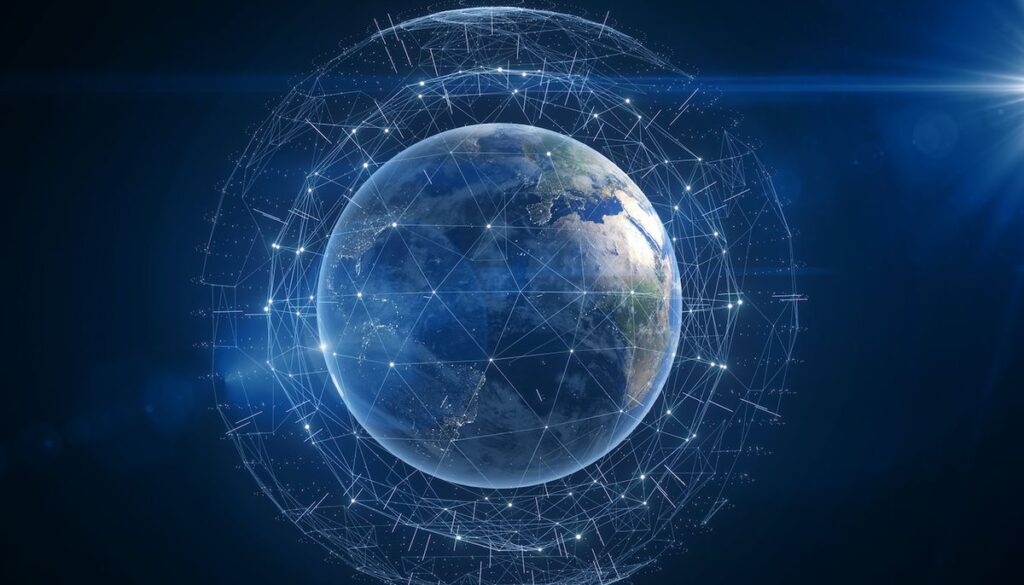
In simple terms, the internet is a worldwide network of connected computers, smartphones, servers, and other devices that communicate with each other using standardized technologies and protocols. It allows information to travel from one device to another, often within seconds.
This complete guide explains what the internet is, the history of the internet, how it works, its major uses, its benefits, common disadvantages, and why the internet continues to play such an important role in our daily lives.
What Is the Internet?
The internet is a global network that connects millions of private, public, academic, business, and government networks. These networks communicate with one another and allow devices to exchange information.
When you open a website, send a message, stream a video, download a file, or make an online payment, your device communicates with other computers through the internet.
The internet itself is not a single computer or physical machine. Instead, it is a huge interconnected system made up of many different networks and technologies. These include computers, data centers, routers, cables, wireless connections, satellites, servers, and other infrastructure.
One of the most important characteristics of the internet is that it is decentralized. There is no single computer that controls the entire internet. Different organizations and networks operate different parts of the infrastructure while using common technical standards that allow them to communicate.
The internet also makes it possible for information to move across enormous distances. For example, someone in Pakistan can communicate with someone in the United States, access a website hosted in Europe, or watch a video delivered through servers located in several different countries.
Internet vs. World Wide Web: What Is the Difference?
The terms internet and World Wide Web are often used as if they mean the same thing, but they are actually different.
The internet is the underlying global network infrastructure that connects computers and devices. The World Wide Web, commonly called the web, is one of the services that operates over the internet.
Websites and web pages are part of the World Wide Web. Other services, such as email, online gaming, file transfers, messaging, and many applications, can also use the internet without being part of the web itself.
A simple way to understand the difference is to think of the internet as a transportation network and the web as one service that uses that network. The internet provides the connections, while the web provides a system for accessing linked information through websites and web browsers.
A Brief History of the Internet
The history of the internet began long before smartphones, social media, and modern websites existed. Its development was the result of decades of research, experimentation, and technological innovation.
The Early Development of Computer Networks
During the middle of the 20th century, researchers became increasingly interested in connecting computers so they could share information and resources.
One important development was packet switching. Instead of sending an entire message as one continuous stream, information could be divided into smaller packets. These packets could travel across a network and then be reassembled at their destination.
Packet switching became an important foundation for modern computer networking because it allowed networks to use communication resources more efficiently.
ARPANET
A major milestone in the history of the internet was the creation of ARPANET, a computer network developed through research supported by the U.S. Department of Defense’s Advanced Research Projects Agency.
ARPANET connected research institutions and demonstrated that computers in different locations could communicate across a network.
In 1969, ARPANET established one of its earliest network connections between computers at research institutions. This event is widely considered an important milestone in the development of the modern internet.
The Development of TCP/IP
As more computer networks were created, researchers needed a common way for different networks to communicate.
The development and adoption of TCP/IP, or Transmission Control Protocol/Internet Protocol, became a crucial part of this process.
TCP/IP provides rules that allow devices and networks to communicate and exchange data. The technology helped different networks connect together, creating what became known as an “internet” of interconnected networks.
The transition of ARPANET to TCP/IP in 1983 is generally recognized as a major milestone in the evolution of today’s internet.
The World Wide Web
Another major development came in 1989, when British computer scientist Tim Berners-Lee proposed the World Wide Web while working at CERN.
The web introduced technologies that made it easier to organize and access information through linked documents. Important technologies included HTML, HTTP, and URLs.
The first website and web server were created in the early 1990s. As web browsers became easier to use, the web became increasingly accessible to ordinary users.
The Internet Becomes Mainstream
During the 1990s, internet access expanded rapidly. Businesses began creating websites, search engines became popular, and people started using email and online services on a much larger scale.
The growth of broadband internet later made online activities faster and more convenient. Instead of using slow dial-up connections, users could increasingly access websites, multimedia, and online services through faster connections.
The Rise of Mobile Internet
The development of smartphones and mobile networks transformed the way people use the internet.
Users no longer needed to sit at a desktop computer to go online. Smartphones allowed people to browse websites, use social media, watch videos, send messages, shop, work, and access online services from almost anywhere with network coverage.
Today, the internet is available through smartphones, laptops, tablets, smart TVs, vehicles, wearable devices, and many Internet of Things devices.
How Does the Internet Work?
The internet may seem complicated, but its basic operation can be explained in relatively simple terms.
When you enter a website address into your browser, your device needs to locate the appropriate server and request the information stored there.
Several technologies work together to make this happen.
Your Device Connects to the Internet
First, your device needs an internet connection.
You might connect through Wi-Fi, mobile data, fiber-optic broadband, cable, satellite, or another connection method.
Your internet service provider, often called an ISP, provides access to the broader internet.
IP Addresses Identify Devices
Devices communicating over the internet use IP addresses.
An IP address helps identify where data should be sent. Modern networks use IPv4 and IPv6 addressing systems.
For example, when your computer requests information from a website, the network needs a way to identify the destination and deliver the requested data.
DNS Converts Domain Names
People generally prefer easy-to-remember website names instead of numerical IP addresses.
This is where the Domain Name System, or DNS, comes in.
When you type a domain name into a browser, DNS helps translate that domain name into an IP address associated with the appropriate server or service.
This process happens quickly, often without the user noticing it.
Data Travels in Packets
Information sent over the internet is typically divided into smaller pieces called packets.
A web page, image, video, or message can be broken into packets that travel through different parts of the network.
Routers help direct these packets toward their destinations. Once the packets arrive, the receiving system can reassemble the information.
Servers Deliver Information
A server is a computer system designed to provide services or resources to other computers.
When you visit a website, your browser sends a request to a web server. The server processes the request and sends the required information back to your device.
Your browser then interprets that information and displays the web page.
What Are Internet Protocols?
Internet protocols are rules that allow devices to communicate consistently.
Some important protocols and technologies include:
TCP: Helps establish reliable communication and organize data transmission.
IP: Helps address and route packets between devices and networks.
HTTP and HTTPS: Used for communication between web browsers and web servers.
DNS: Translates domain names into IP addresses.
SMTP: Commonly used for sending email.
These protocols work together behind the scenes to make internet communication possible.
Major Uses of the Internet
The internet is used for countless activities. Its influence can be seen in education, business, entertainment, healthcare, communication, government services, and everyday life.
Communication
Communication is one of the most important uses of the internet.
People can communicate through email, messaging applications, video calls, social media, online forums, and collaboration platforms.
Instead of waiting days for traditional mail, users can send a message across the world almost instantly.
Video conferencing has also made it possible for teams, families, students, and organizations to communicate face-to-face from different locations.
Education and Online Learning
The internet has transformed education by making learning resources available to people around the world.
Students can access online courses, digital libraries, educational videos, research papers, tutorials, and interactive learning platforms.
Online education can be particularly useful for people who cannot attend traditional classrooms because of location, work schedules, or other circumstances.
Teachers can also use the internet to distribute assignments, communicate with students, conduct virtual classes, and provide educational resources.
Online Shopping
E-commerce is another major use of the internet.
Consumers can browse products, compare prices, read reviews, place orders, and make payments without visiting a physical store.
Online shopping has also allowed small businesses and independent sellers to reach customers beyond their local areas.
Business and Remote Work
The internet has dramatically changed how businesses operate.
Companies use the internet for communication, marketing, customer service, cloud computing, collaboration, sales, payments, and data management.
Remote work has also become much more practical because employees can communicate with colleagues, access online systems, attend meetings, and share documents from different locations.
Entertainment
The internet provides access to a huge range of entertainment.
People use online services to watch movies and videos, listen to music and podcasts, play games, read digital publications, and follow creators.
Streaming has changed entertainment by allowing users to access content whenever they want rather than depending entirely on traditional broadcast schedules.
Social Media
These platforms allow users to communicate, share photos and videos, publish content, join communities, and follow topics that interest them.
Social media has become an important part of communication and digital marketing, although users should also be aware of issues such as misinformation, privacy, and excessive screen time.
Online Banking and Financial Services
Many financial services can now be accessed through the internet.
Customers can check account information, transfer money, pay bills, manage investments, and perform other financial activities through websites and mobile applications.
Internet banking saves time and reduces the need to visit physical branches for many routine transactions.
Healthcare
The internet has expanded access to health-related information and digital services.
People can find information about diseases, treatments, healthy lifestyles, and healthcare providers. Depending on the country and provider, online services may also allow patients to schedule appointments or communicate with healthcare professionals remotely.
However, online health information should be evaluated carefully because not every website provides reliable medical information.
News and Information
The internet has changed how people receive news.
Instead of relying only on newspapers or television, people can access news websites, newsletters, podcasts, videos, and social media updates.
The speed of online publishing makes information available quickly, but it also makes it important to verify information and distinguish trustworthy sources from misinformation.
Benefits of the Internet
The internet provides many benefits to individuals, businesses, educational institutions, and communities.
Fast Access to Information
One of the biggest advantages of the internet is the ability to find information quickly.
Search engines and online databases make it possible to research almost any subject within seconds.
This has changed how people learn, solve problems, and make decisions.
Global Communication
The internet removes many geographical barriers.
People can communicate with friends, family members, customers, colleagues, and organizations located in other parts of the world.
Convenient Online Services
Many tasks can now be completed online, including shopping, banking, booking appointments, learning, paying bills, and accessing government services.
This convenience can save both time and travel.
Business Opportunities
The internet provides businesses with access to global markets.
A small company can create a website, advertise online, sell products through e-commerce platforms, and communicate with customers from different regions.
Flexible Learning
Online learning provides opportunities for people to study at their own pace and access educational materials from different locations.
Remote Work
Internet connectivity allows many professionals to work outside traditional offices.
This can provide flexibility for both employers and employees when the job can be performed digitally.
Access to Global Communities
People can find communities based on shared interests, hobbies, professions, and educational goals.
These communities can help users exchange knowledge, ask questions, and develop relationships with people who share similar interests.
Disadvantages and Risks of the Internet
Although the internet offers enormous benefits, it also has risks.
Privacy Concerns
Websites and online services may collect information about users. Poor privacy practices or insecure systems can expose personal information.
Users should therefore understand privacy settings, use strong passwords, and be careful about the information they share online.
Cybersecurity Threats
Internet users may encounter malware, phishing attacks, scams, account theft, and other cybersecurity threats.
Using security software, keeping devices updated, enabling multi-factor authentication, and avoiding suspicious links can reduce many risks.
Misinformation
The internet makes it easy for information to spread rapidly, but not all online information is accurate.
Users should check important claims against reliable sources before accepting or sharing them.
Internet Addiction and Excessive Screen Time
Spending too much time online can interfere with sleep, work, education, exercise, and real-world relationships.
Maintaining healthy boundaries around screen time can help users get the benefits of the internet without allowing it to dominate their daily lives.
Digital Divide
Not everyone has equal access to reliable and affordable internet services.
Differences in infrastructure, income, digital skills, and geographic location can create a digital divide between communities.
How the Internet Has Changed Everyday Life
The internet has changed everyday life in ways that would have seemed extraordinary a few decades ago.
People can now work with colleagues in different countries, learn from international universities, order products from businesses thousands of miles away, communicate through video calls, and access enormous libraries of information from a smartphone.
It has also changed how people discover businesses, consume entertainment, communicate with organizations, and build professional networks.
For businesses, the internet has created entirely new industries and business models. For individuals, it has created new ways to learn, work, communicate, create, and earn money.
The Role of the Internet in the Modern World
Today, the internet is more than a tool for browsing websites. It is a fundamental part of the modern digital economy.
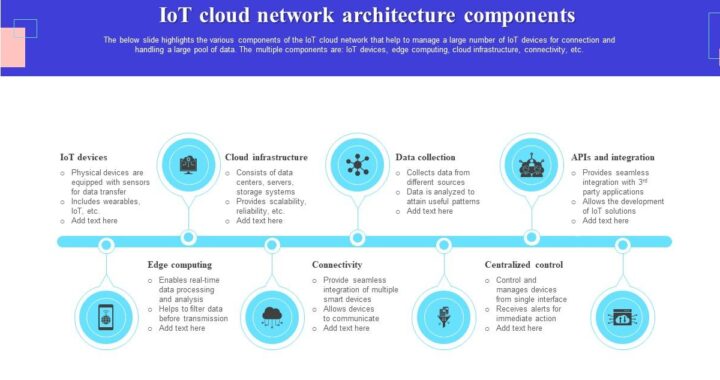
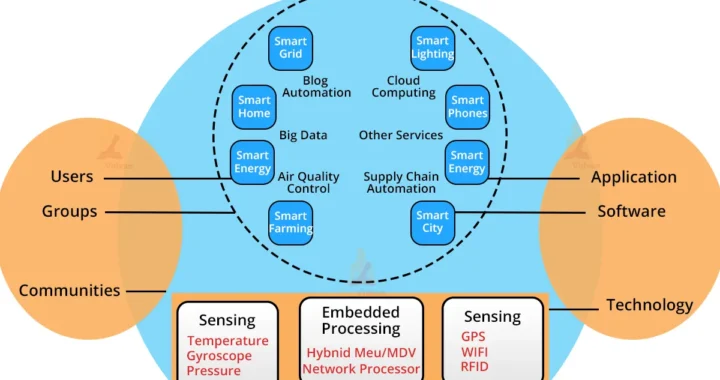
Cloud computing, artificial intelligence, Internet of Things devices, digital payments, online education, streaming services, remote collaboration, and many other technologies depend on internet connectivity.
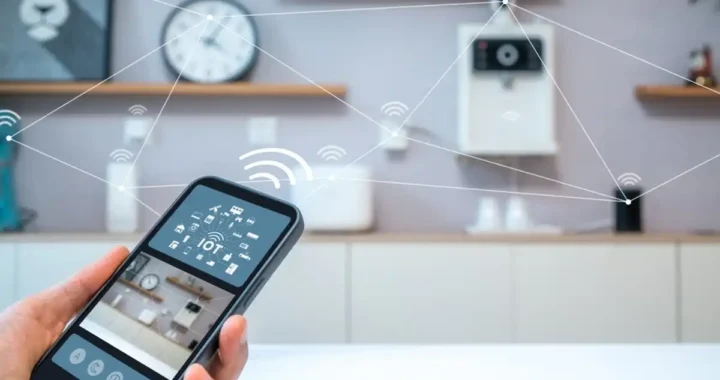
Smart homes provide another example. Internet-connected lights, cameras, thermostats, speakers, appliances, and security systems can communicate with users and other devices.
As more physical objects become connected, the internet is becoming increasingly integrated into everyday environments.
The Future of the Internet
The internet will continue to evolve as technology develops.
Faster networks, improved wireless technologies, cloud computing, artificial intelligence, edge computing, and connected devices are likely to influence how people interact with online services.
The growth of the Internet of Things may result in billions of connected devices communicating with digital systems.
Artificial intelligence is also changing how people search for information, interact with software, create content, and use online services.
At the same time, cybersecurity, privacy, misinformation, digital inclusion, and responsible technology use will remain important challenges.
The future of the internet will therefore depend not only on faster technology but also on how societies address security, accessibility, privacy, and responsible digital behavior.
How to Use the Internet Safely
Anyone using the internet should develop basic online safety habits.
Use strong and unique passwords for important accounts. Enable multi-factor authentication whenever possible. Keep your operating system, browser, and applications updated.
Be cautious when clicking links in unexpected emails or messages. Do not provide sensitive information to websites or people you do not trust.
Before downloading software, verify that you are using a legitimate source. Avoid entering financial or personal information on suspicious websites.
It is also important to think critically about information found online. Check the source, compare important claims with reliable references, and avoid sharing content simply because it looks convincing.
Why Is the Internet Important?
The internet is important because it connects people, information, businesses, services, and devices on a global scale.
For students, it provides access to learning resources. Businesses, it creates opportunities to reach customers and operate efficiently. For workers, it enables communication and remote collaboration. For families and friends, it provides convenient ways to stay connected.
The internet has also made information more accessible than ever before. A person with a connected device can potentially access educational materials, news, research, entertainment, and services from almost anywhere.
Its importance will likely continue to grow as more aspects of society become digital.
Frequently Asked Questions About the Internet
What is the internet in simple words?
The internet is a worldwide network of connected computers and devices that communicate with each other and exchange information.
Who invented the internet?
The internet does not have a single inventor. It developed over many years through the work of researchers, engineers, institutions, and organizations. ARPANET, packet-switching research, TCP/IP, and later developments all contributed to the modern internet.
When was the internet created?
The development of the internet occurred over several decades. ARPANET became operational in the late 1960s, while the adoption of TCP/IP in 1983 was a major milestone in the development of the modern internet.
What is the difference between the internet and the web?
The internet is the global network infrastructure that connects devices and networks. The World Wide Web is a service that operates over the internet and provides access to websites and linked web documents.
How does the internet work?
The internet works by connecting networks and devices using standardized protocols. Data is divided into packets, addressed and routed across networks, and then reassembled at its destination.
What are the main uses of the internet?
Major uses include communication, education, online shopping, banking, entertainment, social media, business, remote work, healthcare services, research, and access to information.
Is the internet safe?
The internet can be used safely, but it has risks such as phishing, malware, scams, privacy problems, and misinformation. Good cybersecurity practices can significantly reduce these risks.
Conclusion
The internet has transformed the way people communicate, learn, work, shop, entertain themselves, and access information. What began as a collection of experimental computer networks developed into a global infrastructure connecting billions of people and devices.
Understanding how the internet works does not require being a computer expert. At its basic level, the internet allows connected devices and networks to communicate using common protocols. Technologies such as IP addresses, DNS, routers, servers, and data packets work together behind the scenes to deliver information around the world.
The benefits of the internet are enormous. It provides fast access to information, supports global communication, creates business opportunities, enables online education, makes remote work possible, and provides convenient access to countless digital services.
However, responsible internet use is equally important. Privacy, cybersecurity, misinformation, excessive screen time, and unequal access are challenges that users and societies must continue to address.
As technologies such as artificial intelligence, cloud computing, and the Internet of Things continue to develop, the role of the internet will become even more important. Learning how the internet works and using it responsibly can help people take full advantage of one of the most influential technologies in modern history.