Introduction
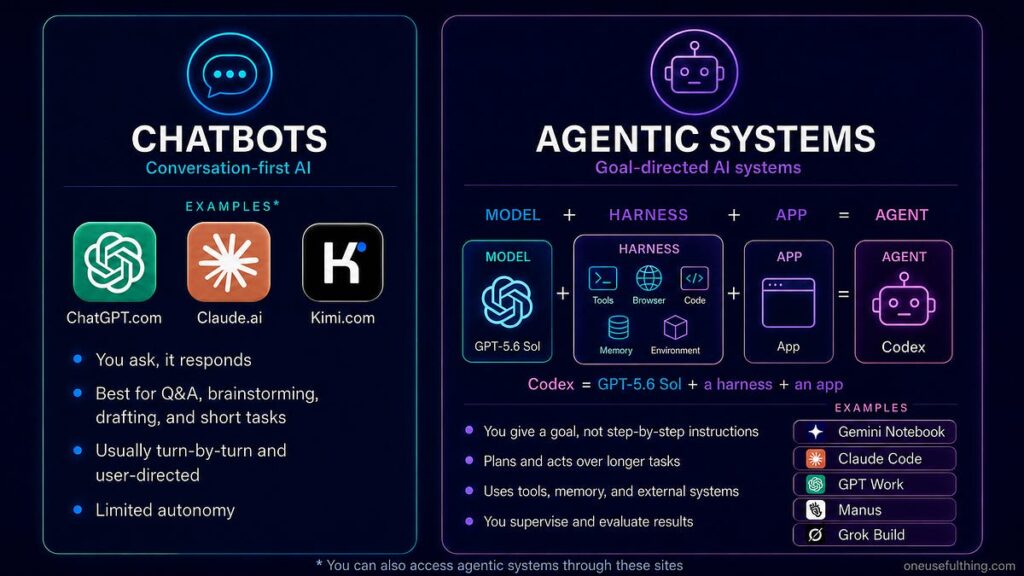
Artificial intelligence has transformed the way businesses and individuals communicate in the digital world. One of the most exciting innovations powered by AI is the AI chatbot. From answering customer questions on websites to helping users schedule appointments, recommend products, and even write content, AI chatbots have become an essential part of modern technology.
Today, companies across industries use AI chatbots to improve customer service, increase efficiency, reduce operational costs, and provide instant support 24/7.
Understanding AI Chatbots: How They Work and Their Benefits is important for businesses, developers, marketers, and everyday users. As artificial intelligence continues to evolve, chatbots are becoming smarter, more conversational, and capable of handling increasingly complex tasks.
In this comprehensive guide, you’ll learn what AI chatbots are, how they function behind the scenes, the technologies that power them, their advantages, limitations, and why they’re shaping the future of digital communication.
What Are AI Chatbots?
AI chatbots are software applications that use artificial intelligence to simulate human-like conversations.
These chatbots can communicate through text or voice across various platforms, including:
- Websites
- Mobile applications
- Social media
- Messaging platforms
- Customer support portals
- Smart speakers
Modern AI chatbots don’t simply respond to commands—they learn from interactions, improve over time, and provide increasingly accurate responses.
Evolution of Chatbots
The journey of chatbots has evolved dramatically over the past few decades.
Rule-Based Chatbots
The earliest chatbots worked using fixed decision trees. They could only answer questions programmed into their system. If users asked something unexpected, the chatbot failed to respond correctly.
Example:
User:
“What are your business hours?”
Bot:
“We are open from 9 AM to 5 PM.”
But if the user asked:
“When do you open?”
The chatbot might not understand.
AI-Powered Chatbots
Artificial intelligence changed everything.
Instead of relying on exact keywords, AI chatbots understand the meaning behind questions.
For example:
User:
“I forgot my password.”
AI Chatbot:
“I can help you reset your password. Would you like me to send a reset link?”
This human-like understanding makes AI chatbots far more useful and natural.
How AI Chatbots Work
Understanding AI Chatbots: How They Work and Their Benefits starts with knowing the technologies behind them.
Although conversations seem simple, several advanced AI technologies work together.
These include:
- Natural Language Processing (NLP)
- Machine Learning (ML)
- Large Language Models (LLMs)
- Neural Networks
- Data Processing
- Context Awareness
- Response Generation
Let’s examine each one.
1. Natural Language Processing (NLP)
Natural Language Processing enables computers to understand human language.
Instead of simply matching words, NLP analyzes:
- Grammar
- Sentence structure
- Context
- Intent
- Emotion
- Relationships between words
For example:
User:
“I need help tracking my package.”
The chatbot identifies:
Intent:
Track shipment
Entity:
Package
Action:
Retrieve tracking information
NLP allows conversations to feel natural instead of robotic.
2. Machine Learning
Machine Learning allows chatbots to improve automatically through experience.
Instead of being manually programmed for every possible question, AI models analyze millions of conversations and learn patterns.
For example
If thousands of users ask:
“Where is my order?”
“My package hasn’t arrived.”
“When will my delivery come?”
The chatbot learns these questions have similar meanings.
Over time, responses become faster and more accurate.
3. Large Language Models (LLMs)
Modern AI chatbots use Large Language Models trained on enormous datasets.
These models understand:
- Context
- Grammar
- Facts
- Reasoning
- Conversation flow
Unlike older chatbots, LLMs can:
- Summarize articles
- Translate languages
- Write emails
- Explain concepts
- Generate code
- Create marketing content
- Assist students
Large Language Models are responsible for the conversational abilities seen in today’s advanced AI assistants.
4. Understanding User Intent
One of the biggest strengths of AI chatbots is intent recognition.
Instead of focusing only on words, AI identifies what the user actually wants.
Example:
User:
“I’d like to reserve a table tonight.”
Intent:
Restaurant reservation
Required information:
- Date
- Time
- Number of guests
The chatbot asks follow-up questions to complete the request.
5. Context Awareness
Older chatbots often forgot previous messages.
Modern AI chatbots remember context during conversations.
Example:
User:
“I want to book a flight.”
Bot:
“Where would you like to travel?”
User:
“London.”
Bot:
“When would you like to depart?”
The chatbot remembers the topic without requiring users to repeat themselves.
This creates a much smoother experience.
6. Response Generation
After understanding the user’s request, the chatbot generates an appropriate response.
It may:
- Search a database
- Access company information
- Retrieve customer records
- Generate new text
- Recommend products
- Answer questions
Responses are created almost instantly.
Main Components of an AI Chatbot
Most AI chatbots consist of several interconnected components.
User Interface
This is where users interact with the chatbot through text or voice.
Examples include:
- Website chat windows
- Mobile apps
- Messenger platforms
- Voice assistants
NLP Engine
The NLP engine processes language and determines user intent.
It breaks sentences into understandable data for AI models.
Knowledge Base
Many chatbots connect to databases containing:
- FAQs
- Company policies
- Product catalogs
- Customer information
- Documentation
This allows accurate responses.
Machine Learning Model
The AI model predicts the best response based on training data and previous interactions.
Backend Integrations
Advanced chatbots connect with:
- CRM software
- Payment systems
- Inventory management
- Booking systems
- Customer databases
- Analytics tools
This enables chatbots to complete real tasks rather than simply answering questions.
Types of AI Chatbots
There are several categories of AI chatbots.
Customer Service Chatbots
These answer customer inquiries, process returns, provide support, and resolve common issues.
Virtual Assistants
Examples include digital assistants that help users:
- Set reminders
- Manage calendars
- Answer questions
- Control smart devices
Sales Chatbots
These guide customers through the buying journey by recommending products, answering pricing questions, and generating leads.
Healthcare Chatbots
Healthcare organizations use AI chatbots to:
- Schedule appointments
- Answer medical FAQs
- Send medication reminders
- Collect patient information
Educational Chatbots
Schools and online learning platforms use AI chatbots to:
- Explain concepts
- Answer student questions
- Provide quizzes
- Recommend study resources
Why AI Chatbots Are Becoming Popular
Businesses increasingly adopt AI chatbots because customers expect instant communication.
Instead of waiting hours for an email response, users receive immediate assistance any time of day.
Some major reasons include:
- Faster customer support
- Reduced operational costs
- Improved customer satisfaction
- Increased productivity
- Personalized experiences
- Global availability
- Scalable communication
As AI technology advances, chatbots continue becoming smarter, more reliable, and capable of handling complex conversations that once required human agents.
Top Benefits of AI Chatbots
One of the biggest reasons organizations are investing in artificial intelligence is the wide range of benefits AI chatbots offer. They are no longer limited to answering simple questions—they can automate workflows, improve customer experiences, support employees, and help businesses grow. Whether you’re a small startup or a global enterprise, AI chatbots can save time, reduce costs, and deliver faster, more personalized service.
Below are some of the most significant benefits of AI chatbots.
1. 24/7 Customer Support
Unlike human agents, AI chatbots never need breaks, vacations, or sleep. They can provide customer support around the clock, ensuring users receive assistance whenever they need it.
For global businesses with customers in different time zones, this is a major advantage. Customers can ask questions, track orders, reset passwords, or find product information at any hour without waiting for business hours.
Continuous availability improves customer satisfaction and helps businesses capture opportunities that might otherwise be missed.
2. Instant Responses
Modern customers expect immediate answers. Long wait times often lead to frustration and abandoned purchases.
AI chatbots respond within seconds, helping users quickly find information or solve problems. This faster response time creates a better user experience and reduces customer effort.
For example, instead of waiting several minutes for a live representative, customers can instantly receive answers to frequently asked questions about shipping, returns, pricing, or account management.
3. Reduced Operational Costs
Hiring and training large customer support teams can be expensive. AI chatbots automate repetitive tasks, allowing businesses to serve more customers without significantly increasing staffing costs.
Common tasks automated by chatbots include:
- Answering FAQs
- Booking appointments
- Processing returns
- Tracking shipments
- Collecting customer information
- Providing technical support
By handling routine requests, chatbots allow human employees to focus on more complex issues that require creativity, empathy, or specialized expertise.
4. Improved Customer Satisfaction
Customers appreciate fast, accurate, and convenient service.
AI chatbots improve satisfaction by:
- Providing immediate assistance
- Reducing wait times
- Offering personalized recommendations
- Maintaining consistent responses
- Guiding users step by step
When customers receive quick solutions, they are more likely to return and recommend the business to others.
5. Personalized User Experiences
Advanced AI chatbots analyze user behavior, preferences, purchase history, and previous conversations to deliver personalized experiences.
For example, an online retailer’s chatbot may greet returning customers by name and recommend products based on their previous purchases.
Personalization helps businesses build stronger customer relationships and increase sales through relevant recommendations.
6. Increased Productivity
AI chatbots improve productivity by automating repetitive tasks that consume valuable employee time.
Examples include:
- Scheduling meetings
- Sending reminders
- Managing internal help desk requests
- Updating customer records
- Answering employee questions
- Assisting with onboarding
Employees spend less time on routine work and more time on strategic activities that add greater value.
7. Better Lead Generation
Many businesses use AI chatbots as virtual sales assistants.
They engage website visitors by asking questions such as:
- What product are you looking for?
- What’s your budget?
- How can we help today?
The chatbot collects contact information, qualifies leads, and directs potential customers to the appropriate sales representative.
This automated process increases conversion rates while reducing manual work.
8. Scalability
Human support teams can only manage a limited number of conversations simultaneously.
AI chatbots, however, can interact with thousands of users at the same time without compromising response speed.
This scalability becomes especially valuable during:
- Holiday shopping seasons
- Product launches
- Marketing campaigns
- Flash sales
- Service outages
Businesses can handle sudden spikes in demand without hiring temporary staff.
9. Consistent Information
Human agents sometimes provide inconsistent answers due to misunderstandings or limited experience.
AI chatbots deliver standardized, accurate information based on approved company data.
This consistency helps maintain trust, reduce confusion, and ensure customers receive reliable support.
10. Multilingual Support
Many AI chatbots support multiple languages, enabling businesses to communicate with customers worldwide.
Instead of hiring multilingual support teams, organizations can use AI-powered language models to interact with users in their preferred language.
This expands global reach while improving accessibility.
AI Chatbots Across Different Industries
AI chatbots are transforming nearly every industry by improving efficiency and customer engagement.
Retail and E-Commerce
Online retailers use AI chatbots to:
- Recommend products
- Track orders
- Process returns
- Answer pricing questions
- Offer discounts
- Provide shipping updates
By assisting customers throughout the buying journey, chatbots increase sales and reduce cart abandonment.
Healthcare
Healthcare providers use AI chatbots to improve patient communication.
Common applications include:
- Appointment scheduling
- Symptom assessment
- Medication reminders
- Patient education
- Insurance information
- Post-treatment follow-up
While chatbots can assist with general health information, they should not replace professional medical advice.
Banking and Finance
Banks rely on AI chatbots to provide secure, convenient services.
Examples include:
- Checking account balances
- Monitoring transactions
- Reporting lost cards
- Loan information
- Investment guidance
- Fraud alerts
AI chatbots help reduce waiting times while improving customer satisfaction.
Education
Educational institutions use chatbots to support both students and teachers.
They can:
- Answer course-related questions
- Recommend learning resources
- Explain difficult concepts
- Schedule classes
- Provide assignment reminders
- Assist with admissions
Students receive instant support outside traditional classroom hours.
Travel and Hospitality
Travel companies use AI chatbots to simplify trip planning.
They help customers:
- Book flights
- Reserve hotels
- Cancel reservations
- Check travel policies
- Receive itinerary updates
- Find local attractions
This improves customer convenience while reducing pressure on support teams.
Human Resources
HR departments increasingly use AI chatbots for employee support.
They can assist with:
- Recruitment
- Interview scheduling
- Employee onboarding
- Leave requests
- Company policy questions
- Benefits information
This streamlines administrative work and improves employee experiences.
Manufacturing
Manufacturers use AI chatbots internally for:
- Equipment troubleshooting
- Maintenance scheduling
- Safety guidance
- Inventory management
- Employee training
Automation improves operational efficiency and reduces downtime.
Government Services
Public organizations use AI chatbots to help citizens access information quickly.
Chatbots provide guidance on:
- Licenses
- Tax information
- Public services
- Application procedures
- Frequently asked questions
This reduces administrative workloads while improving citizen services.
Business Advantages of AI Chatbots
Beyond customer support, AI chatbots contribute to long-term business growth.
Increased Revenue
By recommending relevant products and assisting customers during purchasing decisions, chatbots help increase sales and average order value.
Improved Marketing
Marketing teams use AI chatbots to:
- Capture leads
- Conduct surveys
- Promote products
- Share personalized offers
- Engage website visitors
Interactive conversations generate valuable customer insights.
Better Data Collection
Every chatbot conversation provides useful information.
Businesses can analyze:
- Customer preferences
- Frequently asked questions
- Buying behavior
- Common problems
- Popular products
These insights support better decision-making and product improvements.
Faster Decision-Making
AI chatbots generate analytics reports showing customer trends, conversation volumes, satisfaction ratings, and support performance.
Managers can use this information to identify opportunities and optimize operations.
AI Chatbots vs Traditional Chatbots
Understanding the difference between AI chatbots and traditional chatbots helps businesses choose the right solution.
| Feature | Traditional Chatbot | AI Chatbot |
|---|---|---|
| Technology | Rule-based | Artificial Intelligence |
| Learning Ability | No | Yes |
| Understands Context | Limited | Excellent |
| Personalized Responses | No | Yes |
| Handles Complex Questions | Limited | Advanced |
| Continuous Improvement | No | Yes |
| Natural Conversations | Basic | Human-like |
| Multilingual Capabilities | Limited | Extensive |
AI chatbots offer significantly greater flexibility, intelligence, and conversational abilities than older rule-based systems.
Common Features of Modern AI Chatbots
Today’s AI chatbots include a wide range of advanced features that improve user experiences and business operations.
Popular features include:
- Natural language understanding
- Voice interaction
- Context awareness
- Personalized recommendations
- Sentiment analysis
- Multi-language support
- CRM integration
- Payment processing
- Appointment scheduling
- Analytics dashboards
- Omnichannel communication
- Image recognition (in some systems)
- Workflow automation
- Document processing
- Knowledge base integration
These capabilities make AI chatbots valuable tools for organizations of all sizes.
Real-World Examples of AI Chatbot Use Cases
Many businesses already rely on AI chatbots every day.
Some common real-world scenarios include:
- An online clothing store recommends products based on customer preferences and answers sizing questions.
- A bank chatbot helps users check balances, transfer funds, and detect suspicious transactions.
- A healthcare chatbot schedules appointments and reminds patients to take medications.
- A university chatbot answers admissions questions and guides prospective students through the application process.
- A travel company chatbot helps customers book flights, modify reservations, and receive real-time travel updates.
These examples demonstrate how AI chatbots improve convenience, efficiency, and customer satisfaction across industries.
Challenges and Limitations of AI Chatbots
Although AI chatbots have transformed customer service and business operations, they are not without limitations. Organizations should understand these challenges before implementing chatbot solutions.
1. Difficulty Handling Complex Queries
AI chatbots are highly effective at answering common questions and automating routine tasks. However, they may struggle with highly technical, emotional, or unique situations that require human judgment.
For example, a chatbot may not fully understand a customer with multiple account issues or a sensitive complaint. In these cases, transferring the conversation to a human support agent provides a better customer experience.
2. Dependence on Quality Data
An AI chatbot is only as good as the data it has been trained on.
If the training data is outdated, inaccurate, or incomplete, the chatbot may provide incorrect or misleading information. Businesses should regularly update their knowledge bases and AI models to ensure responses remain accurate.
3. Privacy and Security Concerns
AI chatbots often process sensitive customer information such as names, email addresses, payment details, or medical records.
Organizations must implement strong security measures, including:
- Data encryption
- Secure authentication
- Access controls
- Privacy compliance
- Regular security audits
Protecting user data is essential for maintaining customer trust.
4. Lack of Human Emotion
Even the most advanced AI chatbot cannot truly experience human emotions.
Although sentiment analysis allows chatbots to recognize frustration or happiness, they may not provide the same empathy and emotional understanding as a human representative.
Businesses should offer seamless escalation to human agents for emotionally sensitive situations.
5. Language and Cultural Challenges
While AI chatbots support multiple languages, they may occasionally misunderstand:
- Local slang
- Regional expressions
- Cultural references
- Humor
- Sarcasm
Continuous training and localization help improve chatbot performance across different markets.
Best Practices for Implementing AI Chatbots
A successful AI chatbot requires thoughtful planning, quality data, and ongoing improvement. Following these best practices helps businesses maximize results.
Clearly Define Your Goals
Before developing a chatbot, identify its primary purpose.
Common objectives include:
- Customer support
- Sales assistance
- Appointment scheduling
- Employee support
- Lead generation
- Technical troubleshooting
Clear goals guide chatbot design and functionality.
Choose the Right AI Platform
Different chatbot platforms offer varying capabilities.
When selecting a platform, consider:
- Ease of integration
- Scalability
- Natural language processing quality
- Analytics features
- Security standards
- Customization options
Choosing the right solution ensures long-term success.
Train the Chatbot Continuously
AI chatbots improve through ongoing learning.
Businesses should regularly:
- Review conversations
- Update knowledge bases
- Add new FAQs
- Improve response quality
- Correct inaccurate answers
Continuous optimization helps maintain high performance.
Provide Human Support When Needed
No chatbot can solve every problem.
Customers should always have the option to speak with a human agent when:
- The issue is complex
- The customer requests human assistance
- Sensitive information is involved
- The chatbot cannot understand the request
A hybrid approach combines AI efficiency with human expertise.
Monitor Performance
Track important metrics such as:
- Customer satisfaction (CSAT)
- Resolution rate
- Average response time
- Conversation completion rate
- Escalation frequency
- User engagement
Analyzing these metrics helps identify areas for improvement.
The Future of AI Chatbots
The future of AI chatbots is incredibly promising. Rapid advances in artificial intelligence, machine learning, and large language models are making chatbots more intelligent, conversational, and capable than ever before.
In the coming years, AI chatbots are expected to become even more integrated into daily life and business operations.
More Human-Like Conversations
Future chatbots will better understand context, emotions, and conversational nuances, creating interactions that feel increasingly natural.
Voice-Enabled AI
Voice assistants are becoming more sophisticated, allowing users to interact with AI using spoken language instead of typing.
This technology will continue to improve accessibility and convenience.
Greater Personalization
Future AI chatbots will deliver highly personalized recommendations based on:
- User preferences
- Browsing history
- Purchase behavior
- Previous conversations
- Real-time context
This personalization will improve customer experiences across industries.
Better Business Automation
AI chatbots will automate more complex business processes, including:
- Workflow management
- Document processing
- Financial reporting
- Customer onboarding
- Internal knowledge management
Automation will continue increasing productivity while reducing operational costs.
Integration with Emerging Technologies
AI chatbots will increasingly integrate with technologies such as:
- Internet of Things (IoT)
- Smart homes
- Autonomous vehicles
- Wearable devices
- Augmented Reality (AR)
- Virtual Reality (VR)
These integrations will create new opportunities for seamless digital experiences.
Tips for Businesses Using AI Chatbots
Organizations planning to adopt AI chatbots should keep these recommendations in mind:
- Focus on solving real customer problems.
- Keep conversations simple and natural.
- Regularly update chatbot knowledge.
- Protect customer data with strong security measures.
- Test chatbot performance frequently.
- Collect customer feedback for continuous improvement.
- Combine AI automation with human support when necessary.
Businesses that follow these best practices are more likely to achieve higher customer satisfaction and stronger return on investment.
Frequently Asked Questions (FAQs)
What is an AI chatbot?
An AI chatbot is a software application that uses artificial intelligence, natural language processing (NLP), and machine learning to understand human language and provide intelligent, conversational responses.
How do AI chatbots work?
AI chatbots analyze user input using natural language processing, identify the user’s intent, process relevant information, and generate an appropriate response. Advanced chatbots continuously improve through machine learning and large language models.
What are the main benefits of AI chatbots?
The primary benefits include:
- 24/7 customer support
- Instant responses
- Reduced operating costs
- Increased productivity
- Personalized customer experiences
- Improved lead generation
- Better customer satisfaction
- Business automation
Are AI chatbots better than traditional chatbots?
Yes. AI chatbots are significantly more advanced than traditional rule-based chatbots because they understand context, learn from interactions, and provide more natural, personalized conversations.
Which industries use AI chatbots?
AI chatbots are widely used in:
- Healthcare
- Banking
- Retail
- E-commerce
- Education
- Travel
- Hospitality
- Government
- Manufacturing
- Human Resources
Can AI chatbots replace human customer service
AI chatbots can automate many routine tasks and answer common questions, but they cannot completely replace human agents. Complex, emotional, or highly specialized issues still require human expertise. The most effective approach is a combination of AI and human support.
Are AI chatbots secure?
Most modern AI chatbots include robust security features such as encryption, authentication, and access controls. However, businesses must follow data privacy regulations and regularly update security practices to protect sensitive information.
Conclusion
AI chatbots have become one of the most valuable applications of artificial intelligence in the modern digital landscape. By combining Natural Language Processing (NLP), Machine Learning (ML), and Large Language Models (LLMs), these intelligent systems can understand user intent, provide instant responses, automate repetitive tasks, and deliver personalized experiences at scale.
As explored throughout this guide on AI Chatbots: How They Work and Their Benefits, organizations across industries—including healthcare, finance, education, retail, and travel—are using AI chatbots to improve efficiency, reduce costs, and enhance customer satisfaction. While challenges such as data privacy, complex queries, and emotional understanding remain, continuous advancements in AI are making chatbots more accurate, secure, and human-like.
Looking ahead, AI chatbots will play an even greater role in business automation, customer engagement, and everyday communication. Companies that invest in well-designed, secure, and continuously trained chatbot solutions will be better positioned to meet growing customer expectations and stay competitive in an increasingly digital world.