Introduction
Home security has become an important concern for homeowners, renters, and families around the world. As technology continues to develop, traditional home security systems are gradually being replaced or enhanced by intelligent devices that offer greater convenience, connectivity, and control. Among these modern technologies, Internet of Things (IoT) cameras and smart doorbells have become popular solutions for protecting homes, monitoring visitors, and improving everyday safety. These devices connect to the internet and allow homeowners to monitor their properties, receive security notifications, and communicate with visitors from almost anywhere using a smartphone, tablet, or computer.
The growing popularity of smart home technology has changed how people think about protecting their homes. Traditional security cameras generally recorded video locally, while conventional doorbells simply alerted residents when someone pressed a button. Modern IoT cameras and smart doorbells combine video recording, wireless connectivity, motion sensors, artificial intelligence, cloud services, and mobile applications to create a more interactive security experience. Homeowners can now see who is standing at their front door, check activity around their property, and receive notifications about unusual movement even when they are away from home.
The connection between IoT technology and home security is particularly important because it makes security systems more accessible and easier to manage. Instead of depending entirely on physical presence or manually checking recorded footage, users can receive instant updates and respond to events remotely. These capabilities can help homeowners identify suspicious activity, communicate with delivery workers, monitor entrances, and maintain awareness of what is happening around their properties.
Understanding how IoT cameras and doorbells improve home security requires examining their technology, features, benefits, limitations, and practical applications. This article explains how these devices work, how they connect to the Internet of Things, and how homeowners can use them responsibly to create a more connected and secure living environment.
Understanding IoT Cameras and Smart Doorbells
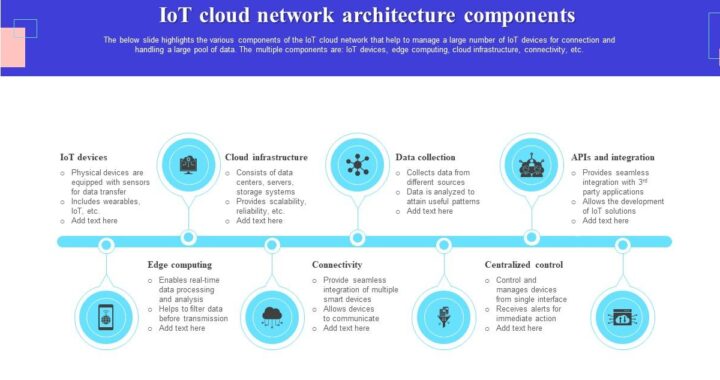
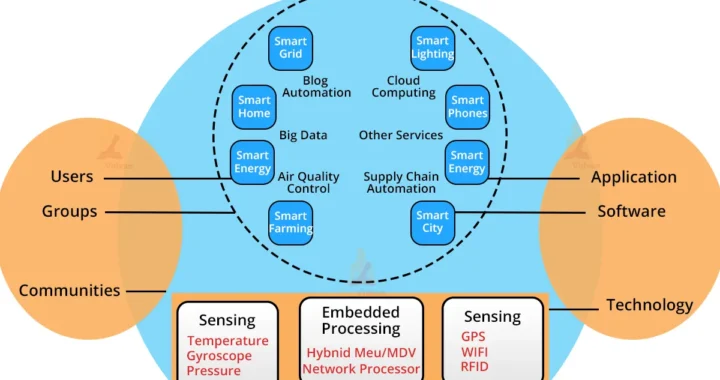
The Internet of Things refers to a network of physical devices that contain sensors, software, and communication technologies that allow them to collect, exchange, and process information. These devices can communicate with other devices or online services to perform useful tasks with limited human intervention. Examples include smart thermostats, connected lights, fitness trackers, security cameras, and smart doorbells. In home security, IoT technology allows different devices to work together and provide homeowners with more information about activity around their properties.
IoT security cameras are connected cameras designed to capture video and sometimes audio while communicating with a home network or an internet-based service. Depending on the model, they may include motion sensors, infrared night vision, microphones, speakers, artificial intelligence features, and local or cloud storage. Unlike basic cameras that simply record footage, IoT cameras can send alerts to mobile applications, allow live video viewing, and provide remote access to recorded events. Some devices also support integration with other smart home products, making it possible to create a connected security environment.
Smart doorbells are another important category of IoT security devices. They typically replace or supplement traditional doorbells and include a camera, microphone, speaker, motion detection system, and wireless connectivity. When someone approaches the front entrance or presses the doorbell button, the device can notify the homeowner through a smartphone application. The homeowner can then view a live video stream, speak to the visitor, or review a recording of the event.
The main difference between an IoT camera and a smart doorbell is their intended location and purpose. Security cameras are commonly installed around entrances, garages, driveways, backyards, and other areas requiring monitoring. Smart doorbells are generally designed for the front entrance, where they can identify visitors and provide two-way communication. Together, these devices can cover multiple areas of a property and provide a more complete picture of activity around the home.
How IoT Cameras and Doorbells Work
IoT cameras and smart doorbells operate through a combination of hardware, software, network connectivity, and cloud or local processing. Although the exact design varies between manufacturers, most connected security devices follow a similar process. They collect information through sensors and cameras, process that information, and send relevant notifications or video to the homeowner.
The camera is responsible for capturing images and video of the surrounding environment. When a person approaches a monitored area, the camera may detect movement through video analysis, an infrared motion sensor, or a combination of technologies. The device then determines whether the activity meets its notification settings. For example, a homeowner may configure a camera to send alerts only when a person enters the driveway instead of notifying them whenever a tree moves in the wind.
Once an event is detected, the device can transmit information through a Wi-Fi network or another supported connection. The video may be sent to a cloud server, stored on a memory card, or processed directly on the device. The homeowner’s smartphone application receives the notification and provides access to the live stream or recorded footage, depending on the device’s capabilities and subscription requirements.
A smart doorbell follows a similar process. When someone presses its button, the doorbell sends an alert to connected devices. If motion detection is enabled, it may also notify the homeowner before the visitor presses the button. The user can open the application, view the person at the door, and speak through the doorbell’s built-in speaker and microphone.
The entire process depends on several connected components. The camera provides visual information, the sensors identify activity, the network transfers information, and the application allows the homeowner to interact with the system. Cloud platforms may provide remote access, video storage, device management, and additional detection features.
This combination of technologies allows IoT security devices to provide continuous monitoring and convenient access to security information without requiring homeowners to remain physically present.
Real-Time Monitoring and Remote Home Access
One of the most important ways IoT cameras and doorbells improve home security is through real-time monitoring. Traditional security methods often require someone to be physically present at home or to review recorded footage after an incident. Connected cameras make it possible to check the property from a remote location using an internet-connected device.
For example, a homeowner who is traveling for work can open a mobile application and view the front entrance, driveway, or backyard. If an unexpected person approaches the property, the homeowner may be able to observe the situation and decide what action to take. This remote visibility can be especially useful for people who spend long hours at work, travel frequently, or own properties that remain unoccupied for extended periods.
Real-time monitoring also helps homeowners check ordinary household activity. Parents may use indoor cameras in appropriate shared areas to check on children, while families may monitor entrances when older relatives or household workers are expected to arrive. When used with consent and suitable privacy protections, connected cameras can provide reassurance and improve awareness of activity at home.
Another benefit is the ability to check live footage instead of relying exclusively on motion notifications. An alert may indicate that movement has occurred, but a live video stream can help the homeowner understand what is happening. A person walking past the entrance, a delivery worker leaving a parcel, and an unknown visitor may all trigger movement alerts, but their actions can be different.
Remote access does not mean that every event can be prevented. A camera cannot physically stop an intruder, and a homeowner may not always be able to respond immediately. However, access to timely information can help users make informed decisions, contact a trusted person, or notify local emergency services when appropriate.
Motion Detection and Instant Security Alerts
Motion detection is a central feature of IoT cameras and smart doorbells. It allows a device to identify movement within a monitored area and notify the homeowner without requiring constant manual video monitoring. This capability can make home security more responsive and reduce the need to watch camera footage continuously.
Many cameras use image analysis to detect changes between video frames. Other devices use passive infrared sensors that identify changes in infrared energy caused by movement. Some advanced systems combine multiple detection methods to improve reliability. The available technology depends on the model and installation environment.
When movement is detected, the device can send a push notification to a smartphone or another connected device. Depending on the settings, the notification may include a short video clip, a snapshot, or a link to the relevant event. This allows the homeowner to quickly check whether the activity requires attention.
For example, if a person approaches a side entrance late at night, an outdoor camera may send an alert. The homeowner can open the application and check whether the person is a known visitor, a neighbor, or someone behaving suspiciously. Similarly, a smart doorbell can notify the homeowner when someone enters its detection zone, even if the person does not press the doorbell button.
Many systems allow users to adjust motion sensitivity and detection zones. A detection zone defines the portion of the camera’s field of view that should trigger alerts. This is useful for properties near busy roads, public sidewalks, or areas with frequent movement.
However, motion detection is not perfect. Weather, shadows, insects, moving vegetation, and lighting changes may create false alerts. Users should test their cameras, adjust sensitivity, and update detection zones to reduce unnecessary notifications. Proper configuration helps make alerts more meaningful and improves the practical usefulness of the security system.
Improved Visitor Identification and Doorstep Security
Smart doorbells provide a convenient way to identify visitors before opening the front door. Traditional doorbells notify residents that someone is outside, but they generally do not show who is standing at the entrance. A connected doorbell adds video and communication features, allowing homeowners to see visitors through their smartphones.
This feature can be particularly helpful when residents are alone at home or when an unexpected visitor arrives. Instead of immediately opening the door, the homeowner can check the visitor’s identity and decide whether to respond. The camera may also record the interaction, depending on the device’s settings and local laws.
Smart doorbells can help homeowners manage deliveries as well. When a delivery worker arrives, the homeowner can communicate instructions remotely, such as asking the worker to leave a parcel in a designated location. This can reduce unnecessary door opening and help residents remain aware of deliveries when they are away.
Some smart doorbells include package detection or person detection features. These technologies can distinguish certain types of activity and provide more specific alerts. For example, a system may notify the homeowner that a package has been placed near the entrance or that a person is standing close to the door.
These features can also help homeowners review doorstep activity if a package goes missing. Recorded footage may provide information about when a delivery was made or whether someone approached the entrance afterward. However, video quality, camera angle, lighting, and recording availability determine how useful the footage will be.
Smart doorbells therefore add a layer of visibility and communication to one of the most frequently used access points in a home.
Night Vision and Low-Light Monitoring
Home security is not limited to daylight hours. Many security-related events may occur in the evening or at night, when visibility is reduced. IoT cameras address this challenge through night vision, infrared illumination, and, in some models, low-light color recording.
Infrared night vision allows compatible cameras to capture images in conditions where ordinary visible-light cameras may struggle. The camera uses infrared illumination and a sensor designed to detect reflected infrared energy. The resulting footage is commonly displayed in black and white, making it easier to identify movement and objects in darkness.
Some cameras also include built-in lights or spotlights that illuminate the monitored area. When motion is detected, the lights may turn on automatically, depending on the system’s configuration. This can improve visibility and make it easier to see people or objects near an entrance.
Color night vision is available on certain devices that use more sensitive image sensors or additional lighting. It may provide more visual detail than conventional infrared footage when sufficient light is available. Nevertheless, image quality depends on the camera’s specifications, distance from the subject, and surrounding conditions.
Night vision can be useful for monitoring driveways, garden entrances, garages, and back doors. A homeowner can review nighttime footage to understand whether movement occurred near a vulnerable entrance.
For effective nighttime monitoring, the camera should be installed at an appropriate height and angle. Users should avoid pointing it directly toward bright lights, reflective surfaces, or areas where glare can obscure images. Good placement helps improve visibility and reduces blind spots.
Artificial Intelligence and Smart Threat Detection
Artificial intelligence (AI) is becoming an important part of modern IoT home security systems. Traditional motion detection identifies movement, but AI-enabled cameras can analyze visual information to classify certain types of objects and activities. This can help homeowners receive more relevant notifications and reduce the number of unnecessary alerts.
For example, an AI-powered camera may distinguish between a person, a vehicle, and an animal. Instead of sending a notification whenever a cat walks through the garden, the homeowner may configure the system to alert them only when a person enters a specific area. Some devices can also recognize package-related activity, depending on their hardware and software capabilities.
AI processing can take place directly on the camera or through a cloud service. When processing happens on the device, some information can be analyzed without sending the entire video stream to an external server. Cloud-based processing may provide access to more computational resources, but it can require an internet connection and may involve additional privacy considerations.
Certain security cameras offer advanced features such as familiar-face recognition, vehicle identification, and activity classification. These features vary significantly between manufacturers and may require subscriptions or additional setup. Face recognition is not universally available, and its accuracy can depend on lighting, camera angle, image quality, and other conditions.
AI technology can also help analyze patterns of activity. For example, a system might identify repeated movement around a monitored entrance and make relevant clips easier to review. However, homeowners should not assume that AI can reliably determine a person’s intentions or confirm that someone is committing a crime.
AI detection systems can make mistakes. A camera may classify an object incorrectly or fail to identify someone in poor lighting. For this reason, AI-generated alerts should be treated as information that needs human interpretation rather than definitive proof of suspicious behavior.
When used appropriately, AI can make home security monitoring more convenient by helping users focus on events that are relevant to their property.
Two-Way Audio and Remote Communication
Two-way audio is another useful feature that improves the functionality of IoT cameras and smart doorbells. Devices equipped with a microphone and speaker allow homeowners to communicate with people near the camera through a mobile application.
This feature is particularly valuable for smart doorbells because it enables communication without requiring residents to open the front door. A homeowner can ask a visitor who they are, explain that they are unavailable, or provide delivery instructions while remaining inside the house or away from the property.
For example, if a delivery worker arrives while the homeowner is at work, the homeowner may use the doorbell application to ask the worker to leave the package in a suitable location. Similarly, a person who unexpectedly approaches the entrance can be informed that the property is monitored, where appropriate.
Outdoor cameras with speakers may also support communication around driveways, garages, and other monitored areas. Depending on the model, users may be able to activate an audio feature manually or use a prerecorded message.
Some devices provide noise reduction and echo cancellation to improve communication quality. However, the clarity of audio depends on the microphone, speaker, network connection, and surrounding noise. Strong wind, traffic, and poor connectivity can affect communication.
Two-way audio should be used responsibly. Homeowners should follow local privacy laws and avoid recording or transmitting conversations in ways that violate the rights of visitors, neighbors, or other individuals.
The main advantage of two-way audio is that it adds an interactive element to home security. Instead of simply observing activity, residents can communicate with people near their property and respond to situations in real time.
Video Recording, Cloud Storage, and Evidence Collection
Video recording is one of the most practical features of connected security cameras. Recorded footage allows homeowners to review past events and understand what happened around their property. When a security incident occurs, video recordings may help establish a timeline or provide information that can be shared with authorized parties.
IoT cameras generally use one or more storage methods. These include local storage, cloud storage, and network-attached storage. Each method offers different benefits, costs, and privacy considerations.
Local storage commonly involves a microSD card, an internal storage system, or a dedicated recording device. It allows video to be saved within the home or on a local network. Depending on the system, local recording may continue even if the internet connection becomes unavailable, although remote viewing and notifications may stop working.
Cloud storage transfers video recordings to remote servers operated by the device manufacturer or a service provider. This can make footage accessible from different locations and may help preserve recordings if the camera is damaged or stolen. However, cloud storage may require a subscription, and the available retention period depends on the provider’s plan.
Some cameras offer both local and cloud storage, giving users additional flexibility. Homeowners should check whether recordings are stored continuously or only when an event is detected, as this can affect the footage available after an incident.
Recorded video can be useful when investigating property damage, missing packages, unauthorized entry, or other security concerns. However, not every recording will be clear enough to identify a person or establish exactly what occurred. The usefulness of evidence depends on video quality, timestamps, storage reliability, and whether the footage captures the relevant activity.
Homeowners should also protect stored footage with strong account passwords and appropriate access controls. Security recordings can contain sensitive personal information, so they should not be shared publicly without a legitimate reason and proper consideration of privacy.
Integration With Smart Home Security Systems
IoT cameras and doorbells become more useful when they can communicate with other compatible smart home devices. Smart home integration allows different devices to work together through a shared application, automation platform, or connected security system.
For example, a compatible camera may trigger a smart light when motion is detected near a driveway. A smart doorbell could display a live video feed on a connected smart display when someone presses the button. Some systems can also integrate with compatible alarms, smart locks, and home automation hubs.
This integration can help create a coordinated security environment. When a person approaches an entrance, the camera may detect movement, the outdoor light may turn on, and the homeowner may receive a notification. These actions can be configured according to the capabilities of the devices and the automation platform.
Smart locks offer another example. Certain compatible systems allow homeowners to manage door access remotely or check the status of a lock through an application. When used together with a doorbell camera, this can help residents see who is at the entrance before deciding whether to grant access.
However, compatibility is an important consideration. Not all devices work with every smart home platform, and some features may require a specific hub, subscription, or manufacturer ecosystem. Users should verify compatibility before purchasing devices intended to work together.
Integration also introduces additional security responsibilities. If multiple devices depend on a shared account or network, weak account security can affect the entire system. Homeowners should use strong passwords, enable multifactor authentication where available, and keep connected devices updated.
A properly configured smart home security system can make monitoring more convenient while allowing different devices to support one another.
Deterrence and Protection Against Property Crime
Visible security cameras can contribute to crime deterrence by making monitoring more apparent. When a camera is installed near an entrance or driveway, people approaching the property may become aware that activity could be recorded. This awareness may discourage some opportunistic behavior, although the effect varies and cannot be guaranteed.
Smart doorbells can serve a similar purpose at the front entrance. Their visible cameras and motion-activated lights may indicate that the property has a connected security system. Some devices also provide a security status light or an audible notification when activity is detected.
Outdoor cameras can help homeowners monitor locations that may otherwise be difficult to observe, including side entrances, garages, storage areas, and backyard gates. By positioning cameras to cover these areas, residents can improve visibility around potential access points.
The presence of cameras should not be treated as a replacement for physical security measures. Strong doors, secure windows, suitable locks, outdoor lighting, and well-maintained gates remain important parts of home protection.
A camera also cannot guarantee that an incident will be prevented. Someone may ignore the camera, damage the device, or enter through an area outside its field of view. Homeowners should therefore use connected cameras as one component of a broader security strategy.
The practical value of deterrence is that it combines visible monitoring with the possibility of recorded evidence and remote awareness. Together, these features may help homeowners manage risks and respond more effectively to security concerns.
Benefits for Families, Renters, and Frequent Travelers
IoT cameras and smart doorbells can serve different needs depending on the household. For families, these devices can provide awareness of arrivals and departures, deliveries, and activity near entrances. Parents may receive notifications when family members arrive home, provided the system is configured appropriately and everyone understands how monitoring is used.
For older adults or people who have difficulty reaching the front door quickly, smart doorbells can provide a convenient way to identify visitors and communicate remotely. They may also help caregivers coordinate expected visits, subject to consent and privacy considerations.
Renters can benefit from certain wireless security cameras and battery-powered doorbells that do not require extensive installation. However, tenants should check their rental agreements and obtain any required permission before installing equipment on shared property or modifying doors and walls.
Frequent travelers can use remote monitoring to check entrances, garages, and outdoor areas while away. Notifications and recorded clips can provide information about activity at an unoccupied property. Some systems also allow trusted household members to access selected features through separate user accounts.
For people managing a second home or vacation property, connected cameras can help monitor activity between visits. Nevertheless, the homeowner should consider power availability, network reliability, weather resistance, and local laws regarding surveillance.
These devices are not limited to large homes or expensive security installations. Many consumer products are designed for straightforward setup and can be expanded gradually. A homeowner may begin with a doorbell camera and add outdoor cameras as security needs change.
The most useful system is one that matches the property’s layout, household requirements, and available budget without collecting more information than necessary.
Privacy and Cybersecurity Risks of IoT Security Devices
Although IoT cameras and smart doorbells improve home monitoring, they also introduce privacy and cybersecurity concerns. Because these devices connect to networks and may store video online, protecting them from unauthorized access is an essential part of responsible home security.
One major concern is unauthorized account access. If a homeowner uses a weak password or reuses the same password across multiple services, an attacker who obtains those credentials may attempt to access the camera account. Unauthorized access could expose live video, recorded footage, or other sensitive information.
To reduce this risk, homeowners should create unique, strong passwords for their security accounts. Multifactor authentication should be enabled whenever available because it adds another verification step during login. Users should also review which people have permission to view cameras and remove access for individuals who no longer need it.
Another important concern is data privacy. Some cameras transmit recordings to cloud servers, where the provider may process and retain information according to its privacy policy. Before purchasing a device, homeowners should understand what data is collected, how long recordings are retained, whether audio is recorded, and how account information is protected.
Regular software updates are equally important. Manufacturers sometimes release firmware updates to fix security vulnerabilities, improve reliability, and introduce new features. Users should install updates promptly and replace devices that no longer receive security support when practical.
Securing the home Wi-Fi network is also essential. A strong router password, modern encryption, and a separate network for smart home devices, where supported, can help reduce exposure. Homeowners should avoid connecting security equipment to unsecured public networks.
Privacy also involves people outside the household. Cameras should be positioned to monitor the homeowner’s property rather than unnecessarily recording neighbors’ windows, private gardens, or unrelated public activity. Audio recording may be subject to additional legal restrictions.
Responsible use requires balancing security benefits with the privacy rights of everyone who may be recorded.
Limitations of IoT Cameras and Smart Doorbells
IoT security devices offer useful features, but they are not completely reliable. Understanding their limitations helps homeowners avoid depending on technology in situations where additional protection is necessary.
The first limitation is internet connectivity. Many connected cameras rely on an internet connection for remote viewing, cloud recording, and smartphone notifications. If the home internet service becomes unavailable, some features may stop working. Devices with local recording may continue saving footage, but their capabilities depend on the model and configuration.
Power interruptions can also affect security monitoring. Wired cameras may stop operating during an outage unless they are connected to a suitable backup power source. Battery-powered devices can continue operating temporarily, but their batteries require regular charging or replacement.
Another limitation is camera coverage. Every camera has a specific field of view, and objects, walls, trees, or poor installation angles may create blind spots. A single front-door camera cannot monitor every entrance or outdoor area of a property.
Image quality also matters. Low-resolution footage, strong backlighting, heavy rain, fog, and nighttime conditions can make it difficult to identify people or objects. Homeowners should select cameras with suitable image quality and weather resistance for their installation locations.
False alerts and missed detections are additional challenges. Motion sensors and AI systems can occasionally generate incorrect notifications or fail to recognize an event. A camera should not be considered a guaranteed crime-prevention system or a substitute for emergency response services.
Finally, costs may extend beyond the initial purchase. Some manufacturers charge subscription fees for cloud recording, advanced AI detection, or extended video history. Homeowners should consider the total cost of ownership before choosing a product.
These limitations do not eliminate the benefits of IoT security technology. Instead, they demonstrate why proper installation, maintenance, realistic expectations, and additional physical security measures are important.
How to Choose and Install IoT Cameras and Doorbells
Selecting the right IoT security equipment begins with understanding the property’s security requirements. A homeowner should identify the areas that need monitoring, such as the front entrance, driveway, back door, garage, or garden gate. This makes it easier to determine how many cameras are needed and which features are relevant.
Video resolution is one factor to consider. Higher resolution can provide more image detail, although actual identification quality also depends on the lens, sensor, lighting, and distance from the subject. A wide field of view can cover a larger area, but an excessively wide angle may make distant objects appear smaller.
Homeowners should also decide between wired and battery-powered devices. Wired cameras may provide consistent power and reduce the need for battery maintenance, while battery-powered models can offer easier installation and greater placement flexibility.
Weather resistance is important for outdoor equipment. Cameras installed outside should be designed to withstand the expected rain, dust, temperature changes, and other environmental conditions.
The storage system deserves careful consideration as well. Users should compare local recording, cloud storage, subscription requirements, video retention periods, and the availability of recordings during internet outages.
A practical installation process includes the following steps:
- Identify monitoring areas. Examine entrances, driveways, garages, and other areas that require security coverage.
- Choose suitable devices. Compare resolution, night vision, motion detection, connectivity, storage, and compatibility.
- Install cameras securely. Mount devices at suitable heights and angles while minimizing blind spots and unnecessary recording of neighboring properties.
- Connect and configure. Follow the manufacturer’s instructions to connect the devices to the network and configure user accounts and alerts.
- Test the system. Check live video, motion notifications, night vision, audio, and recording playback before relying on the system.
- Maintain regularly. Update firmware, check battery levels, clean camera lenses, review account access, and verify that recordings are available.
Taking these steps helps ensure that IoT security equipment operates as intended and provides useful information when homeowners need it.
The Future of IoT Cameras and Smart Doorbells
The future of connected home security will likely involve further improvements in artificial intelligence, edge computing, automation, and interoperability. These developments may make cameras more efficient at identifying relevant activity while giving homeowners greater control over how their information is processed.
Edge computing allows devices to perform certain operations locally rather than sending all information to remote servers. In home security, this can support faster event detection and may reduce the amount of video that needs to be transmitted or stored externally.
More advanced AI systems may improve the classification of people, vehicles, packages, and other objects. They may also provide more useful summaries of recorded events, helping homeowners review important activity without watching lengthy recordings.
Future security systems may also support more coordinated communication between cameras, smart locks, lighting, alarms, and other connected devices. Standards such as Matter are intended to improve interoperability among compatible smart home products, although camera and security feature support varies by device and platform.
Privacy-focused technologies may become increasingly important as connected security systems collect more information. Features such as local processing, customizable retention periods, encrypted communication, and more transparent privacy controls can help homeowners manage their security data.
At the same time, manufacturers and users will need to address cybersecurity threats, software support, compatibility issues, and the responsible use of AI. The continued development of IoT home security will depend not only on new features but also on reliability, privacy, affordability, and ease of use.
Conclusion
How IoT cameras and doorbells improve home security is closely connected to their ability to combine real-time monitoring, motion detection, video recording, remote access, and intelligent notifications. These connected devices help homeowners remain aware of activity around their properties, identify visitors, communicate remotely, and review recorded events when necessary.
Smart doorbells provide visibility and communication at the front entrance, while IoT cameras extend monitoring to driveways, garages, backyards, and other important areas. Features such as night vision, AI-based detection, cloud storage, and smart home integration can make security systems more convenient and adaptable to different household needs.
However, IoT cameras and smart doorbells are not complete replacements for traditional security measures. They depend on suitable installation, reliable power and connectivity, secure accounts, regular maintenance, and responsible handling of recorded information. Their ability to deter crime or identify individuals also varies according to the environment and the quality of the equipment.
For homeowners, the practical approach is to combine connected cameras and doorbells with strong locks, appropriate lighting, secure networks, and sensible privacy practices. When selected and configured carefully, IoT security devices can provide an additional layer of protection, improve awareness of household activity, and make modern home security more accessible and manageable.
The growing adoption of IoT technology demonstrates how connected devices are changing everyday home protection. As these technologies develop, homeowners will have more opportunities to build security systems that suit their properties, lifestyles, and privacy requirements.
Frequently Asked Questions (FAQs)
1. How do IoT cameras improve home security?
IoT cameras improve home security by providing remote monitoring, motion detection, instant alerts, night vision, and recorded footage. They allow homeowners to check their properties through connected devices and review activity when necessary.
2. What is the difference between an IoT camera and a smart doorbell?
An IoT camera is generally designed to monitor specific areas such as driveways, garages, and backyards. A smart doorbell is primarily designed for front entrances and combines video monitoring with visitor notifications and two-way communication.
3. Do smart doorbells work without Wi-Fi?
Some smart doorbells may continue performing limited functions, such as operating a traditional chime, depending on their design. However, live remote viewing, mobile notifications, and many cloud features generally require a working network connection.
4. Are IoT security cameras safe to use?
IoT security cameras can be used securely when homeowners choose reputable devices, install firmware updates, enable multifactor authentication, use strong passwords, and configure appropriate privacy settings. No connected device is completely free from cybersecurity risks.
5. Can IoT cameras record at night?
Yes. Many IoT cameras include infrared night vision, low-light sensors, or built-in lighting to monitor activity in darkness. The quality of nighttime footage depends on the device, lighting conditions, and distance from the subject.
6. Can IoT cameras prevent burglary?
IoT cameras may discourage some opportunistic activity and can help homeowners identify and review security incidents. However, they cannot guarantee burglary prevention and should be combined with physical security measures.