Introduction
Artificial Intelligence (AI) has become one of the most transformative technologies of the 21st century. From voice assistants that answer questions to self-driving cars that navigate roads, AI is changing the way people live, work, communicate, and solve problems. Businesses use AI to automate repetitive tasks, doctors rely on AI to improve medical diagnoses, banks detect fraud using AI algorithms, and online platforms recommend movies, music, and products based on user preferences.
Although Artificial Intelligence may sound complex, its basic concept is surprisingly simple. AI refers to machines or computer systems that can perform tasks requiring human intelligence. These tasks include learning, reasoning, problem-solving, recognizing speech, understanding language, making decisions, and identifying patterns in data.
If you’re completely new to the topic, this guide explains everything you need to know in simple language. By the end of this article, you’ll understand what Artificial Intelligence is, how it works, where it is used, its advantages and disadvantages, and why it will continue to shape the future of technology.
What Is Artificial Intelligence?
Artificial Intelligence is a branch of computer science that focuses on creating systems capable of performing tasks that normally require human intelligence. Instead of following only fixed instructions, AI systems analyze information, recognize patterns, learn from experience, and improve their performance over time.
Unlike traditional software, which follows predefined rules, AI can adapt based on new information. For example, an email spam filter becomes more accurate as it learns which messages users mark as spam. Similarly, streaming services recommend content based on viewing history, and navigation apps calculate the fastest routes using real-time traffic data.
AI combines several technologies, including machine learning, deep learning, natural language processing, robotics, and computer vision. Together, these technologies enable computers to understand information, make predictions, and automate decision-making.
The History of Artificial Intelligence
The concept of intelligent machines has fascinated scientists and inventors for decades. In the 1950s, computer scientist John McCarthy coined the term “Artificial Intelligence” during the Dartmouth Conference, which is widely considered the birth of AI as an academic field.
Early AI systems relied on simple rule-based programming and had limited capabilities. Progress slowed for several decades due to limited computing power and data availability. However, advances in computer hardware, cloud computing, and big data in the 2000s led to rapid AI development.
Today, AI powers smartphones, smart homes, online shopping, healthcare, finance, transportation, education, and countless other industries. Modern AI systems can recognize images, translate languages, generate content, and even assist in scientific research.
How Does Artificial Intelligence Work?
Artificial Intelligence works by collecting data, processing that data using algorithms, identifying patterns, and making predictions or decisions. The more quality data an AI system receives, the better it becomes at performing its tasks.
The AI process generally includes several stages. First, data is collected from various sources such as images, videos, text, sensors, or user interactions. Next, this data is cleaned and organized to remove errors and inconsistencies. Machine learning algorithms are then trained using the prepared data to recognize patterns and relationships.
Once trained, the AI model can analyze new information and make predictions. For example, an AI-powered medical system can compare a patient’s scan with millions of previous scans to identify possible diseases. As the system processes more cases, its accuracy continues to improve.
This ability to learn from experience makes AI significantly different from traditional computer programs.
Key Components of Artificial Intelligence
Artificial Intelligence consists of several technologies working together to create intelligent systems.
Machine Learning enables computers to learn from data without explicit programming. It powers recommendation systems, fraud detection, and predictive analytics.
Deep Learning is an advanced form of machine learning that uses neural networks inspired by the human brain. It is widely used for image recognition, speech recognition, and autonomous vehicles.
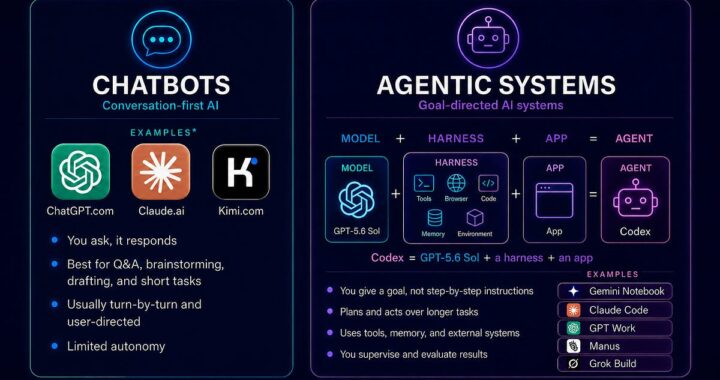
Natural Language Processing allows computers to understand, interpret, and generate human language. AI chatbots, virtual assistants, and language translation services rely heavily on NLP.
Computer Vision enables machines to interpret images and videos. Facial recognition, medical imaging analysis, and quality inspection in manufacturing all use computer vision.
Robotics combines AI with physical machines capable of performing tasks in the real world. AI-powered robots assist in manufacturing, healthcare, logistics, and space exploration.
Why Artificial Intelligence Is Important
Artificial Intelligence is transforming nearly every industry because it increases efficiency, reduces human error, automates repetitive work, and provides valuable insights from large amounts of data.
Businesses use AI to improve customer service through intelligent chatbots that provide instant support around the clock. Healthcare professionals use AI to detect diseases earlier, helping patients receive treatment more quickly. Financial institutions use AI to detect suspicious transactions and reduce fraud.
In education, AI personalizes learning experiences based on each student’s progress. Farmers use AI-powered sensors and drones to monitor crops and improve agricultural productivity. Manufacturers rely on AI for predictive maintenance, reducing equipment failures and production costs.
These real-world applications demonstrate why AI has become an essential technology for innovation and economic growth.
Everyday Examples of Artificial Intelligence
Many people interact with AI every day without realizing it. Voice assistants like Siri and Google Assistant answer questions, set reminders, and control smart home devices using AI technologies.
Streaming platforms recommend movies and TV shows based on viewing history. Music apps suggest playlists tailored to personal preferences. Online shopping websites recommend products users are likely to purchase.
Email services automatically filter spam messages. Smartphones organize photo galleries using facial recognition. Navigation apps calculate the fastest driving routes based on live traffic conditions.
Even social media platforms use AI to personalize news feeds, recommend friends, detect inappropriate content, and display relevant advertisements.
These examples show that Artificial Intelligence has become deeply integrated into daily life, making technology more convenient, efficient, and personalized.
Types of Artificial Intelligence
Artificial Intelligence can be classified into different categories based on its capabilities and functionality. Understanding these types helps beginners see how AI has evolved and where current technologies fit.
Narrow AI (Weak AI)
Narrow AI is the most common type of Artificial Intelligence used today. It is designed to perform a specific task or a limited set of tasks. While it can perform those tasks extremely well, it cannot think or operate outside its programmed purpose.
Examples of Narrow AI include virtual assistants like Siri and Google Assistant, recommendation systems on Netflix and YouTube, email spam filters, facial recognition software, and customer support chatbots. These systems are highly effective within their specific domains but cannot perform unrelated tasks like a human can.
Nearly all AI applications currently available in homes and businesses fall under the category of Narrow AI.
General AI (Strong AI)
General AI refers to a theoretical form of Artificial Intelligence that would possess human-level intelligence. A General AI system could understand, learn, reason, solve problems, and perform any intellectual task that a human can.
Unlike Narrow AI, General AI would not be limited to one function. It could transfer knowledge from one subject to another, adapt to new situations, and make independent decisions.
At present, General AI does not exist. Researchers around the world continue exploring this possibility, but significant scientific and technological challenges remain.
Super Artificial Intelligence
Super AI is a hypothetical future stage where machines become more intelligent than humans in every aspect, including creativity, reasoning, emotional understanding, and decision-making.
Many scientists and technology experts discuss Super AI in theoretical research and science fiction. While it presents exciting possibilities, it also raises important ethical and safety concerns regarding control, security, and the future relationship between humans and intelligent machines.
Types of AI Based on Functionality
Artificial Intelligence can also be categorized according to how it functions.
Reactive Machines
Reactive AI systems respond only to current information. They have no memory of previous experiences and cannot learn from past actions.
A famous example is IBM’s Deep Blue chess computer, which defeated world chess champion Garry Kasparov by evaluating millions of possible moves without remembering previous games.
Limited Memory AI
Most modern AI systems belong to this category. Limited Memory AI can learn from historical data and use past experiences to improve future decisions.
Self-driving cars are a good example. They continuously analyze road conditions, traffic patterns, nearby vehicles, and previous driving experiences to make safe driving decisions.
Theory of Mind AI
Theory of Mind AI is still under development. The goal is to create systems capable of understanding human emotions, beliefs, intentions, and social interactions.
If achieved, these systems could interact with humans more naturally and make decisions based on emotional as well as logical information.
Self-Aware AI
Self-aware AI represents the most advanced theoretical form of Artificial Intelligence. Such systems would possess consciousness, emotions, self-awareness, and independent thought.
Currently, self-aware AI exists only as a concept in research and science fiction.
What Is Machine Learning?
Machine Learning (ML) is one of the most important branches of Artificial Intelligence. Instead of programming every rule manually, developers train machines using large amounts of data.
As the machine processes more information, it identifies patterns and improves its predictions automatically.
For example, an online shopping platform can analyze millions of customer purchases to recommend products that users are likely to buy. Similarly, banks use machine learning to identify suspicious financial transactions that may indicate fraud.
Machine learning allows AI systems to become smarter over time without requiring constant human intervention.
What Is Deep Learning?
Deep Learning is an advanced subset of Machine Learning that uses artificial neural networks inspired by the human brain.
These models consist of multiple layers that process information step by step, allowing them to recognize highly complex patterns.
Deep learning powers many modern AI applications, including speech recognition, image classification, language translation, autonomous vehicles, and AI image generation.
For example, when you upload a photo to your smartphone, deep learning algorithms can automatically recognize people, pets, landscapes, and objects within the image.
Because deep learning requires large amounts of data and computing power, advances in cloud computing and graphics processors have accelerated its development.
Natural Language Processing (NLP)
Natural Language Processing enables computers to understand, interpret, and generate human language.
NLP allows people to communicate with computers using natural speech instead of programming languages.
Popular applications include AI chatbots, voice assistants, language translation tools, grammar checkers, sentiment analysis, and speech-to-text software.
Modern conversational AI systems use Natural Language Processing to answer questions, summarize documents, generate articles, and assist users in everyday tasks.
As NLP continues to improve, human-computer communication becomes increasingly natural and efficient.
Computer Vision
Computer Vision allows machines to understand and interpret visual information from images and videos.
Instead of simply storing pictures, AI analyzes shapes, colors, faces, movements, and objects to identify meaningful patterns.
Computer vision is widely used in healthcare to analyze medical scans, in manufacturing for quality inspection, in agriculture for crop monitoring, and in security systems for facial recognition.
Autonomous vehicles also rely heavily on computer vision to recognize traffic signs, pedestrians, road markings, and nearby vehicles in real time.
Robotics and Artificial Intelligence
Robotics combines AI with mechanical systems to create machines capable of performing physical tasks.
AI-powered robots can learn from their environments, adapt to changing conditions, and perform repetitive or dangerous work more efficiently than humans.
In manufacturing, robots assemble vehicles and electronics with remarkable precision. In healthcare, robotic assistants help surgeons perform minimally invasive procedures. Warehouses use AI robots to move products quickly and accurately, while space agencies deploy intelligent robots for planetary exploration.
As robotics technology advances, AI-powered machines will continue expanding into new industries.
Real-World Applications of Artificial Intelligence
Artificial Intelligence has become part of everyday life across numerous industries.
In healthcare, AI assists doctors by analyzing medical images, predicting diseases, discovering new medicines, and monitoring patients remotely.
In finance, banks use AI to detect fraudulent transactions, automate customer service, assess loan applications, and improve investment strategies.
Retail companies use AI to recommend products, optimize inventory, forecast demand, and personalize shopping experiences.
Transportation companies rely on AI for route optimization, traffic prediction, autonomous driving research, and fleet management.
Educational institutions use AI-powered learning platforms that adapt lessons according to each student’s strengths and weaknesses.
Agriculture benefits from AI through smart irrigation systems, crop disease detection, drone monitoring, and precision farming techniques.
Entertainment platforms use AI to recommend movies, music, games, and videos based on user preferences.
Cybersecurity companies deploy AI to identify malware, detect network intrusions, and respond to cyber threats more quickly than traditional security tools.
These diverse applications demonstrate how Artificial Intelligence is improving efficiency, accuracy, and productivity across nearly every sector.
Benefits of Artificial Intelligence
Artificial Intelligence offers numerous advantages for individuals, businesses, and society.
AI increases productivity by automating repetitive tasks, allowing employees to focus on more valuable work. It improves accuracy by reducing human errors in calculations, data analysis, and quality control.
Businesses benefit from lower operational costs, faster decision-making, improved customer service, and better resource management.
AI systems can analyze massive amounts of information within seconds, providing insights that would take humans days or even weeks to discover.
In healthcare, AI supports earlier disease detection, leading to improved patient outcomes. In education, personalized learning helps students progress at their own pace.
Another major benefit is 24/7 availability. AI-powered virtual assistants and chatbots provide continuous support without requiring breaks, making services more accessible to customers around the world.
Overall, Artificial Intelligence is helping organizations become more efficient, innovative, and competitive.
Challenges and Limitations of Artificial Intelligence
Despite its many advantages, Artificial Intelligence also comes with several challenges and limitations. While AI has the potential to improve lives and transform industries, it is not perfect and still depends heavily on human oversight.
One of the biggest challenges is data quality. AI systems learn from the data they are given, so inaccurate, incomplete, or biased data can lead to poor decisions and unfair outcomes. For example, if an AI hiring system is trained on biased historical data, it may unintentionally favor certain groups of candidates over others.
Privacy is another major concern. Many AI applications collect and process large amounts of personal information, including browsing habits, location data, voice recordings, and purchasing behavior. Without proper safeguards, this data could be misused or exposed through security breaches.
Job displacement is also a topic of discussion. As AI automates repetitive tasks, some traditional jobs may change or disappear. However, AI is also expected to create new career opportunities in software development, data science, cybersecurity, AI engineering, robotics, and digital transformation.
Another limitation is that AI lacks true human understanding. While AI can recognize patterns and make predictions, it does not possess emotions, empathy, creativity, or common sense in the same way humans do. Complex situations often require human judgment that AI cannot replicate.
Finally, AI systems require significant computing power, high-quality data, and continuous maintenance, making development expensive for some organizations.
Ethical Concerns in Artificial Intelligence
As AI becomes more powerful, ethical considerations become increasingly important. Governments, businesses, and researchers are working to ensure AI is developed responsibly.
One ethical issue is transparency. Many advanced AI models make decisions that are difficult for humans to understand. This “black box” problem makes it challenging to explain why an AI system reached a particular conclusion.
Bias is another concern. AI systems trained on biased datasets can produce discriminatory results in areas such as hiring, lending, healthcare, and law enforcement. Developers must carefully test and improve AI systems to reduce bias and ensure fairness.
Security is equally important. Cybercriminals may attempt to exploit AI systems or use AI to create sophisticated phishing attacks, deepfake videos, or automated malware. Strong cybersecurity measures are essential to protect AI-powered systems.
Responsible AI development also includes respecting user privacy, obtaining proper consent for data collection, and ensuring that humans remain accountable for critical decisions made with AI assistance.
The Future of Artificial Intelligence
The future of Artificial Intelligence looks incredibly promising. AI is expected to become even more integrated into daily life, helping people solve problems faster and improving efficiency across industries.
In healthcare, AI may enable earlier disease detection, personalized treatments, robotic surgeries, and faster drug discovery. Doctors will increasingly use AI as a decision-support tool to improve patient care.
Education will continue evolving through AI-powered tutoring systems that adapt lessons to individual learning styles. Students may receive personalized feedback and study recommendations based on their progress.
Transportation is another area where AI will have a significant impact. Autonomous vehicles, intelligent traffic management systems, and AI-assisted logistics could improve road safety and reduce travel times.
Businesses will continue adopting AI for customer support, supply chain optimization, predictive maintenance, marketing automation, and business analytics. Small businesses will also benefit from affordable AI tools that were once available only to large enterprises.
Scientific research will accelerate as AI analyzes massive datasets, identifies hidden patterns, and assists researchers in solving complex problems related to climate change, medicine, and space exploration.
Although fully human-like General Artificial Intelligence has not yet been achieved, continued advancements in computing power, machine learning, and data availability suggest that AI capabilities will continue expanding rapidly.
Careers in Artificial Intelligence
The growing demand for AI technologies has created exciting career opportunities around the world. Companies in healthcare, finance, education, manufacturing, e-commerce, and technology are actively hiring AI professionals.
Some of the most popular AI careers include:
- Artificial Intelligence Engineer
- Machine Learning Engineer
- Data Scientist
- Data Analyst
- Robotics Engineer
- Computer Vision Engineer
- Natural Language Processing Engineer
- AI Research Scientist
- Business Intelligence Analyst
- AI Product Manager
To build a career in AI, beginners should develop a strong foundation in mathematics, statistics, programming, and data analysis. Programming languages such as Python are widely used because of their simplicity and extensive AI libraries.
Learning machine learning frameworks, cloud computing platforms, and data visualization tools can further improve career prospects. Continuous learning is essential because AI technology evolves rapidly.
How Beginners Can Start Learning Artificial Intelligence
Learning Artificial Intelligence may seem overwhelming at first, but anyone with curiosity and dedication can get started.
Begin by understanding the basics of computer science and programming. Python is an excellent language for beginners because it is easy to learn and widely used in AI development.
Next, study the fundamentals of mathematics, including algebra, probability, statistics, and linear algebra. These concepts help explain how machine learning algorithms work.
Explore introductory courses on machine learning, deep learning, and data science. Practice building simple AI projects such as image classifiers, recommendation systems, or chatbots to gain hands-on experience.
Reading books, following AI news, participating in online communities, and experimenting with open-source AI tools will help reinforce your knowledge.
Most importantly, be patient. AI is a broad field, and mastering it takes time, practice, and continuous learning.
Tips for Using Artificial Intelligence Responsibly
As AI becomes more common, responsible use is essential. Individuals and organizations should always verify AI-generated information before relying on it for important decisions.
Protect your personal information by using trusted AI platforms and reviewing their privacy policies. Avoid sharing sensitive data unless necessary.
Businesses should ensure AI systems are transparent, fair, and regularly monitored for accuracy and bias. Human oversight should remain part of critical decision-making processes, especially in healthcare, finance, and legal services.
Responsible AI usage also includes respecting copyright, avoiding misinformation, and using AI to assist rather than replace human creativity and judgment.
Frequently Asked Questions
Is Artificial Intelligence the same as Machine Learning?
No. Artificial Intelligence is the broader field of creating intelligent machines, while Machine Learning is a subset of AI that enables computers to learn from data without being explicitly programmed.
Can AI think like humans?
Current AI cannot think, feel, or understand the world like humans. It processes data and identifies patterns but does not possess consciousness or emotions.
Is Artificial Intelligence dangerous?
AI itself is not inherently dangerous. The risks depend on how it is designed and used. Responsible development, ethical guidelines, and proper regulation help reduce potential risks.
Will AI replace all human jobs?
AI is expected to automate certain repetitive tasks, but it is also creating new career opportunities. Many future jobs will involve collaboration between humans and AI rather than complete replacement.
Do I need programming skills to learn AI?
Programming knowledge is highly beneficial, especially Python, but beginners can first learn AI concepts through introductory courses before moving into coding.
Conclusion
Artificial Intelligence is no longer a futuristic concept—it is already transforming the way we live, work, and interact with technology. From virtual assistants and recommendation systems to healthcare innovations and autonomous vehicles, AI has become an essential part of modern society.
For beginners, understanding what Artificial Intelligence is starts with recognizing that AI enables computers to perform tasks that typically require human intelligence. By combining technologies such as machine learning, deep learning, natural language processing, computer vision, and robotics, AI continues to solve complex problems across countless industries.
While AI offers remarkable benefits such as increased productivity, improved accuracy, and better decision-making, it also presents challenges related to privacy, ethics, security, and employment. As AI continues to evolve, responsible development and human oversight will remain essential.
Whether you are a student, business owner, technology enthusiast, or professional looking to expand your skills, now is an excellent time to begin learning about Artificial Intelligence. By understanding its fundamentals today, you’ll be better prepared for a future where AI plays an even greater role in shaping our world.
Artificial Intelligence is not just changing technology—it is redefining the future of innovation, business, education, healthcare, and everyday life. Learning the basics now is the first step toward understanding one of the most influential technologies of our time.